
Remote Patient Monitoring (RPM)
Turnkey remote monitoring delivered by LOGIC—enrolling patients, reviewing data, escalating clinically, and documenting every step inside your EMR.
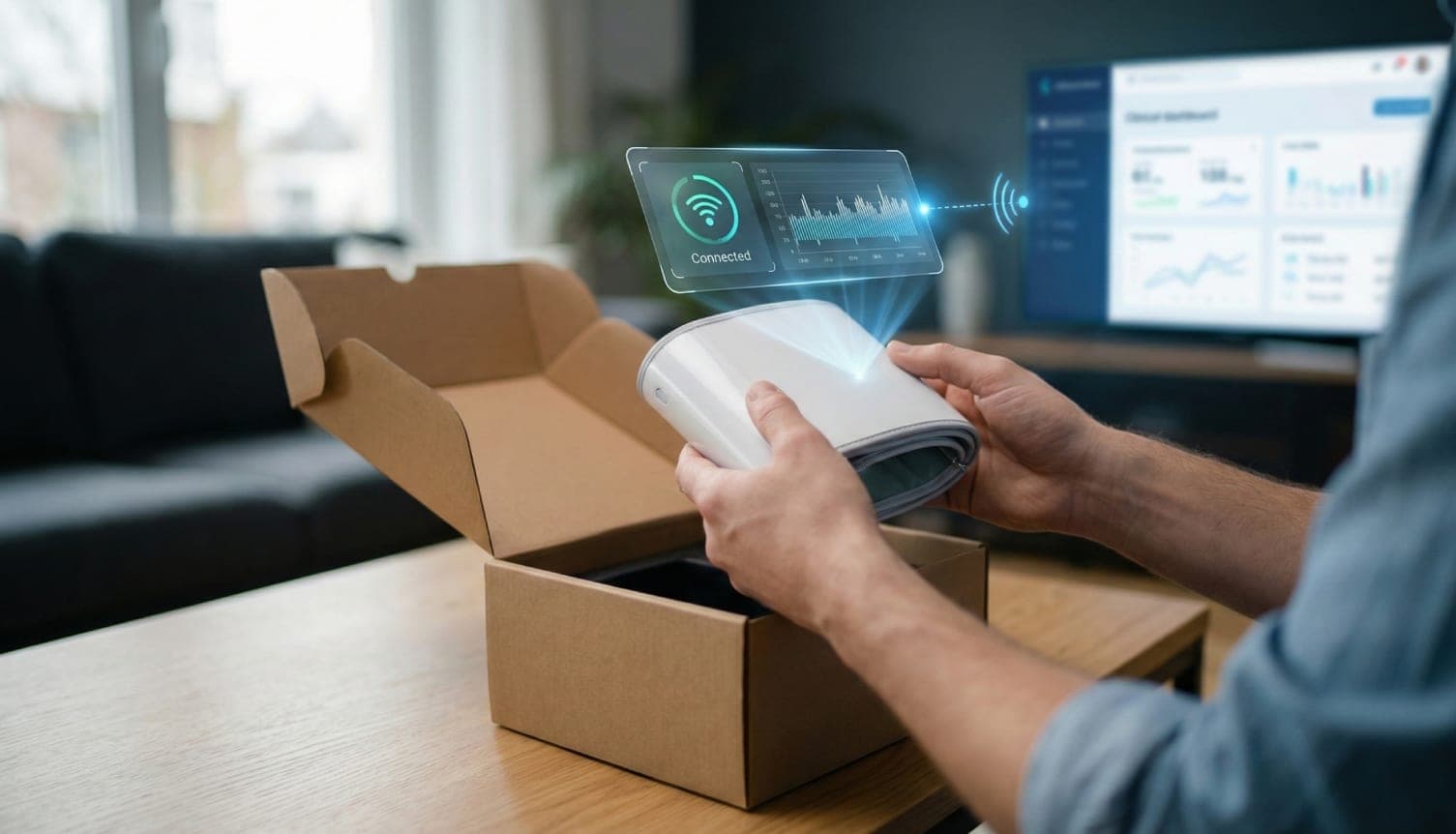
Remote Patient Monitoring that actually runs day to day—and stands up to audit.
LOGIC runs RPM end-to-end as a centralized extension of your clinics—handling enrollment, daily data review, clinical escalation, and EMR-native documentation so RPM is both billable and defensible.
- RPM workflows aligned to CPT 99453, 99454, 99457, and 99458, with clear documentation, supervision logic, and payer-aware guardrails.
- LOGIC's clinical team reviews RPM data continuously, filters signal from noise, and escalates only clinically meaningful issues back to providers in your EMR.
- Flexible device deployment (in-clinic, mail-to-home, community pickup) designed to minimize front-desk work and nursing disruption.
- Designed to integrate with CCM and broader care-management programs, supporting longitudinal care, quality metrics, and earlier intervention.
minutes
of interactive RPM time per patient, per month
Eligibility, patient selection, and onboarding designed to ensure sustained device use
Complete logs of readings, actions, and time
How LOGIC runs RPM day to day
- 1
Identify and enroll eligible patients
From your EMR based on diagnosis, risk factors, and payer criteria.
- 2
Deploy RPM devices and onboard patients
Either in-clinic, via mail, or community partners—using simple scripts for your staff.
- 3
Review incoming RPM data and patient-reported symptoms
Through LOGIC's centralized team, with clear clinical protocols by condition.
- 4
Escalate only what matters
Into your EMR: prioritized alerts, summaries, and actions routed to the supervising provider or care team.
- 5
Maintain RPM-specific time tracking and documentation
From CCM and other services, maintain audit-ready documentation, and share performance and revenue reports with your leadership.
RPM billing quick reference
Common RPM billing codes. Coverage and payment depend on payer policy and local rules—confirm requirements prior to billing.
Initial patient onboarding and device training.
Monthly supply of the device and transmission of patient-generated health data to the care team.
Clinical staff/physician/APP interactive communication and care management per calendar month.
Add‑on to 99457 in the same month.
Billing and documentation integrity for RPM
RPM work is documented with clear timestamps, responsible staff, and program type so that RPM minutes are kept distinct from CCM and other time-based services. We account for differences in payer policies around 99453, 99454, 99457, and 99458, and we can export logs to support internal audits, payer reviews, and compliance inquiries. Policies vary by payer and change over time; we design workflows that can adapt as your billing team confirms local requirements.
What you get with LOGIC RPM
BP cuffs, scales, pulse oximeters, glucometers, and more—with turnkey logistics and replacements.
Daily review of incoming vitals by U.S.-based clinical staff.
Configured thresholds and role-based routing ensure abnormal readings are reviewed, triaged, and escalated—without flooding clinicians with alerts.
Clear visibility into eligibility, days-with-readings, and billable care minutes—so claims are complete, defensible, and predictable before submission.
HIPAA-compliant operations with SOC 2–aligned controls and full activity logging.
Pre-built playbooks and EMR-first workflows handle the heavy lift so you can launch in ~30 days.
Medicare policies and payment rules vary by locality and change over time. Coverage and reimbursement depend on patient eligibility, documentation, and payer requirements. Always confirm current billing rules prior to submission.
For RHCs, FQHCs, and rural providers: RPM that works with low bandwidth and thin staffing
Rural clinics don't have spare staff to stare at dashboards or chase every out-of-range reading. LOGIC designs RPM workflows around your bandwidth and connectivity—simple device workflows, phone-first outreach, and escalation paths that respect limited local resources while still meeting clinical and documentation expectations.
- Device and connectivity strategies that account for limited broadband, transportation barriers, and older devices.
- Shared RPM monitoring teams that support multiple rural sites without requiring new local hires.
- Documentation and time tracking designed to support compliant RPM and CCM billing when programs are paired.
Related programs
RPM is most effective when delivered alongside related CMS programs. LOGIC deploys RPM alongside CCM, PCM, etc. to support the care of patients with one or more chronic conditions.
Chronic Care Management (CCM)
Monthly care coordination pairs naturally with RPM.
Principal Care Management (PCM)
Specialty-aligned protocols for high-risk, single-condition patients.
Behavioral Health Integration (BHI)
Embedded PROMs and risk stratification for integrated behavioral care.
Launch RPM with LOGIC Healthcare Management
Extend care into the home with nurse-led monitoring—without adding staff.